

Is Your Child Ready to Visit the Dentist?
Scheduling pediatric dental appointments for children is an important part of evaluating the teeth and gums and setting your child up for a lifetime of good oral hygiene. Dr. Dean Glasser and Dr. Renee Glasser talk with families about each child's oral health, including teething, fluoride, brushing and flossing, cavities, sealants, and orthodontics.
To get started, call our Melville dental office at 631-423-6767. We proudly welcome families from Melville, NY, and the surrounding areas of Long Island.
Why Families Choose Implant & General Dentistry of Long Island
Introducing Dr. Dean Glasser and Dr. Renee Glasser
Ours is a father-daughter practice, and many of the families we see have been coming to us for more than one generation. Dr. Dean Glasser has practiced since 1985, completed a hospital-based General Practice residency at Bronx Lebanon Hospital Center, and holds fellowships with the Academy of General Dentistry and the American Association of Hospital Dentistry. He also teaches as a professor at Columbia University Dental School.
Dr. Renee Glasser earned her DDS from Stony Brook University School of Dental Medicine and completed a General Practice residency at North Shore University Hospital. As a dental student, she provided care to underserved communities locally and abroad and received the International College of Dentists Student Leadership Award. Today she is a Clinical Assistant Professor in Stony Brook's Department of General Dentistry.
How Our Long Island Dentists Provide the Best Dental Care Possible for Your Child
What that means for your child:
- Two dentists who teach. Both doctors hold faculty appointments, so current standards of care are part of their weekly work, not an occasional seminar.
- One office from first tooth onward. Our patients range from toddlers to grandparents, and everything from a first exam to family dentistry for parents happens under one roof.
- A calm, unhurried pace. Nearly everything about a dental visit is new to a child, so we take the time a first visit needs. If you have questions about our pediatric protocols, contact our office. We would love to speak with you personally.

What We Evaluate at a Pediatric Dental Check-Up
During a pediatric check-up, we evaluate:
- How many teeth are present, and how many should be present
- Loose teeth
- Cavities
- Gum health
- Bite and habit evaluation
- Tongue and speech development
- Fluoride use
- Diet and health history
- Home care and prevention habits
Tooth decay does not discriminate by age. It can affect adults, teens, and even infants and toddlers. As parents, you play the leading role in setting your children on the path toward good oral health, and cavity prevention is a central part of that effort. Bacteria in the mouth form a sticky film called plaque on the teeth.
Pediatric Dental Treatments We Offer
Most of what we do for children is preventive, aimed at keeping small problems from ever starting. When treatment is needed, we keep it gentle and explain each step in words your child understands.
- Dental Exams and Cleanings: Regular visits every six months to remove plaque, check development, and catch problems early.
- Fluoride Treatments: A quick varnish painted on the teeth that strengthens enamel and helps it resist cavities.
- Dental Sealants: A thin protective coating on the chewing surfaces of back teeth, where deep grooves trap food and bacteria.
- Digital X-Rays: Low-radiation images that show decay between teeth and how adult teeth are developing.
- Tooth-Colored Fillings: Natural-looking repairs for cavities in baby teeth and permanent teeth.
- Early Orthodontic Evaluation: A look at bite and jaw development so any alignment concerns can be addressed at the right time.
- Athletic Mouthguards: Protection for young athletes' teeth during sports and active play.
- Emergency Dental Care: Prompt help for chipped, knocked-out, or painful teeth.
Why Pediatric Dentistry Matters
Pediatric dentistry focuses on children's oral health from infancy through adolescence. Because children's mouths are still developing, their dental needs differ from an adult's, and care benefits from an approach built around growing teeth, jaws, and attention spans.
Pediatric dental visits offer several benefits, including:
- Early detection and prevention of decay and other problems
- Age-appropriate, gentle care
- Ongoing dental education for children and parents
- A comfortable, trusted relationship with the dental office
- Reduced risk of long-term dental anxiety
- Early orthodontic assessment
- A foundation for lifelong dental habits

At What Age Should I Begin Bringing My Child in for Pediatric Dentistry?
Children can begin seeing the dentist in infancy. The sooner regular dental visits start, the more readily a child tends to accept this part of their overall healthcare.
Early, consistent dental care is associated with less dental anxiety later in life, and it helps children build the habits that support healthier teeth and gums for years to come. During these early visits, our team focuses on prevention and education rather than repair.
How to Prepare Your Child for a Pediatric Dentistry Appointment
There are several ways to help your child feel emotionally ready for a dental visit:
- Approach dental care with a calm, positive attitude. Children pick up on how you feel.
- Introduce dental care through books, videos, or stories about visiting the dentist.
- "Play dentist" at home so your child knows what it feels like to have someone check their teeth and gums.
- Ask your child if they have questions, and answer honestly, even if the honest answer is "I don't know."
- Reassure your child that they can ask questions once they are at the office. Children who feel some sense of control over their experience tend to feel more confident.
How to Help a Child With Dental Anxiety
Children who have not seen the dentist regularly, or who have had a difficult experience, may understandably feel anxious about a new appointment.
One of the best things you can do is choose the right dentist for your family, and reading patient reviews from other local families is a good place to start. We are happy to move at whatever pace helps your child feel safe and comfortable.
A few ways to acknowledge and ease a child's dental anxiety:
- Allow them to talk about their feelings and ask questions
- Use a calm, reassuring voice when discussing the upcoming visit
- Stay calm and reassuring on the day of the appointment, even if your child expresses apprehension
- Let your child bring a favorite toy or comfort object
- Bring earbuds or favorite music to help drown out unfamiliar sounds
- Assure your child that you will be present with them throughout the visit
How Often Should My Child See the Dentist?
We recommend seeing all of our patients twice a year. As long as your child maintains good oral health, a check-up every six months is typically sufficient. Don’t wait for the next scheduled visit if you notice signs of decay or another problem in the meantime. With consistent twice-a-year cleanings and good home care, most children can avoid unnecessary issues like cavities.
How to Avoid Tooth Decay in Children
Tooth decay is a serious problem that can lead to infection, pain, and even tooth loss if left untreated. A few simple steps can help prevent it:
- Skip the bedtime bottle. Never put your baby to sleep with a bottle containing anything except water. A bottle of juice or milk at bedtime is one of the leading causes of early childhood cavities.
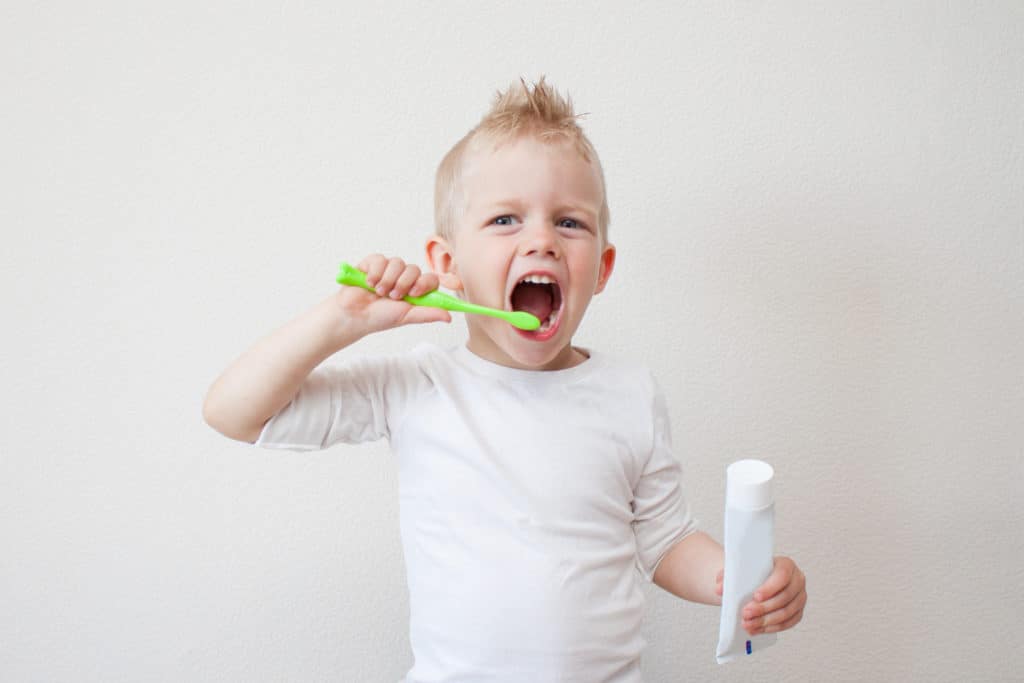
- Start brushing with the first tooth. Brush twice a day as soon as the first tooth appears, using a smear of fluoride toothpaste about the size of a grain of rice. From age three, use a pea-sized amount.
- Supervise independent brushing. Children often want to brush on their own as they grow more comfortable with it, but until at least age six, check that their teeth are actually clean and that they are not swallowing toothpaste.
The One-Year "Well Baby" Dental Exam
According to the American Academy of Pediatric Dentistry, a child's first dental visit should take place between six and twelve months of age. During this well-baby exam, we look for early dental issues, discuss proper care of your baby's teeth, and begin addressing your child's fluoride needs.
We will examine your baby for signs of decay or other dental problems. Early detection matters. The sooner a child comes in, the sooner we can catch and address any developing issues. We will also teach you how to clean your baby's teeth and gums using a soft washcloth.
A child's first exam is a great opportunity for new parents to ask questions and voice concerns, including teething, cavity prevention, feeding practices, and when to schedule a first complete exam with X-rays.
Frequently Asked Questions
Let's Protect Your Child's Smile Together
If you have questions about our practice, about Dr. Dean Glasser and Dr. Renee Glasser, or about what to expect at your child's first appointment, our team is happy to help.
Call our Melville dental office at 631-423-6767 to schedule an appointment or to learn more about any of the pediatric services we offer. We’re proud to provide pediatric dentistry to families in Melville, NY, and throughout the surrounding areas of Long Island.