Two Proven Treatments, Very Different Experiences
If you’ve been diagnosed with obstructive sleep apnea, your doctor has probably mentioned CPAP. Maybe you’ve already tried it and found the mask hard to live with. Or maybe you’ve heard that a dentist can make a custom mouthpiece instead and wondered whether it actually works.
Both CPAP and oral appliance therapy are established, evidence-based treatments for obstructive sleep apnea. They work differently, feel different, and suit different patients. Here’s how they compare, so you can have a more informed conversation with your sleep physician and your dentist.
If you’ve been diagnosed with sleep apnea and want to know whether an oral appliance could work for you, Dr. Dean Glasser and Dr. Renee Glasser can help. Call 631-423-6767 to schedule a consultation, or read more about sleep apnea treatment in Melville.
A Quick Look at Obstructive Sleep Apnea
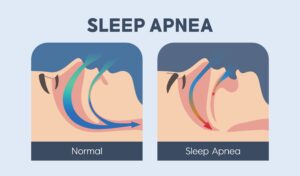 Obstructive sleep apnea happens when the soft tissues in the throat relax during sleep and partially or fully block the airway. Breathing pauses, oxygen levels drop, and the brain briefly wakes you to restart breathing, often many times an hour without your knowing it.
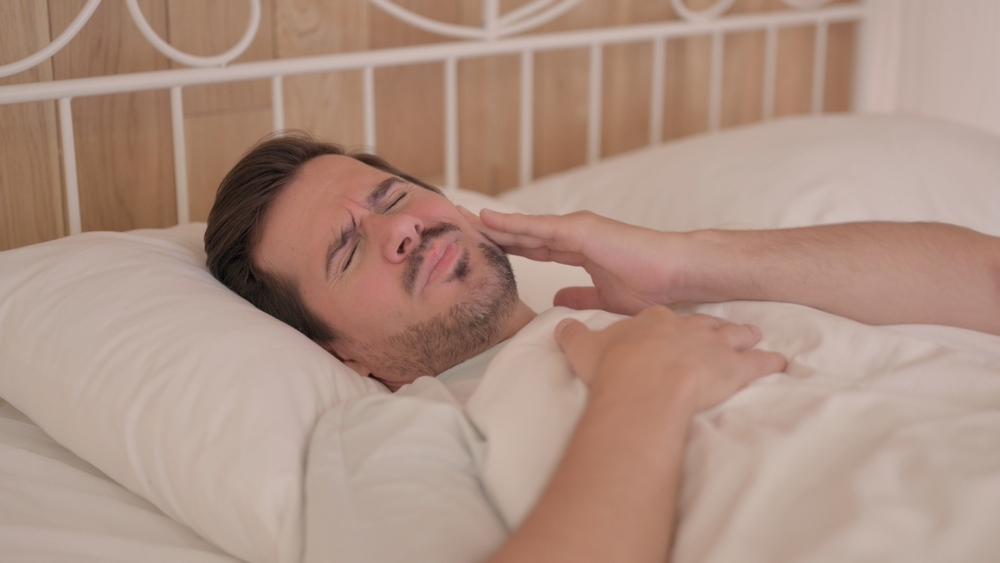
Common signs include loud snoring, gasping or choking at night, morning headaches, daytime fatigue, and trouble concentrating. Left untreated, sleep apnea is linked to high blood pressure, heart disease, stroke, and type 2 diabetes. A diagnosis requires a sleep study ordered or interpreted by a physician.
How CPAP Works
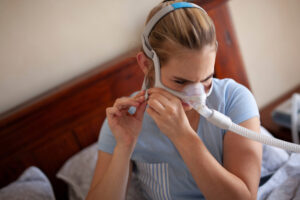 CPAP stands for continuous positive airway pressure. A bedside machine pushes a steady stream of air through a hose and mask, keeping your airway open while you sleep.
CPAP is the standard first-line treatment, especially for moderate to severe sleep apnea. When it’s used consistently, it’s highly effective. The challenge is consistency. Many patients struggle with mask discomfort, air leaks, dry mouth or nose, noise, a feeling of claustrophobia, or the hassle of traveling with the equipment. Some stop using it altogether.
How Oral Appliance Therapy Works
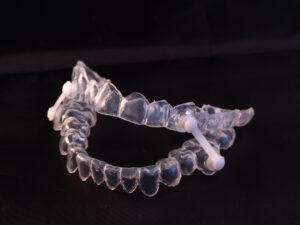 An oral sleep appliance is a custom-made device worn in the mouth at night, similar to a sports mouthguard or retainer. Most are mandibular advancement devices, which hold the lower jaw slightly forward. That small shift helps keep the tongue and soft tissues from collapsing into the airway.
Clinical guidelines from sleep medicine and dental sleep medicine organizations support oral appliances for adults with obstructive sleep apnea who can’t tolerate CPAP or prefer an alternative. A custom appliance made and adjusted by a trained dentist is more effective and more comfortable than an over-the-counter snoring guard.
Oral Appliance vs. CPAP: Side-by-Side Comparison
| Factor | CPAP | Oral appliance |
| How it works | Pressurized air holds the airway open | Repositions the jaw to keep the airway open |
| Best suited for | Mild to severe sleep apnea, first-line for moderate to severe | Mild to moderate sleep apnea, or CPAP intolerance |
| Effectiveness when used | Very high | Effective for many patients, somewhat less predictable in severe cases |
| Comfort | Mask, hose, and machine noise can disrupt sleep | Small, quiet, nothing attached |
| Travel | Needs a machine, power source, and packing space | Fits in a small case |
| Common side effects | Dry mouth or nose, mask irritation, air leaks | Temporary jaw soreness, extra saliva, gradual bite changes |
| Who provides it | Prescribed by a physician, supplied by a medical equipment company | Prescribed by a physician, custom-made and adjusted by a dentist |
The biggest takeaway: the most effective treatment is the one you’ll actually use every night. A CPAP machine that sits in the closet does nothing, while an oral appliance worn nightly can make a real difference.
Who Is a Good Candidate for an Oral Appliance?
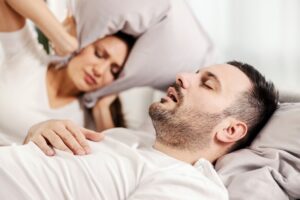 Oral appliance therapy may be a good fit if you:
- Have been diagnosed with mild to moderate obstructive sleep apnea
- Have tried CPAP and couldn’t tolerate it
- Travel often or prefer a simpler nightly routine
- Have enough healthy teeth to anchor the appliance
- Don’t have significant jaw joint problems that would make advancing the jaw uncomfortable
Patients with severe sleep apnea usually do best with CPAP, though some use an oral appliance as a backup for travel or in combination with CPAP at a lower pressure. Your sleep physician and dentist can work together on the right plan.
Why the Dentist Matters in Oral Appliance Therapy
A sleep appliance moves your jaw for hours every night, so fit and adjustment matter. A dentist evaluates your teeth, gums, and jaw joints before treatment, takes precise impressions or digital scans, and adjusts the appliance over several visits until it opens the airway without straining the jaw. Follow-up visits monitor for bite changes and jaw discomfort over time.
This is also why existing jaw problems should be evaluated first. If you have jaw pain or clicking, our TMJ and TMD treatment page explains how we assess the joint. Patients who grind their teeth at night may also find our post on signs of teeth grinding helpful, since bruxism and sleep apnea often overlap.
How Oral Appliance Therapy Works at Our Office
Once you have a sleep apnea diagnosis from a physician, Dr. Dean Glasser and Dr. Renee Glasser evaluate whether an oral appliance is a good option for you. We use digital scanning technology to capture an accurate model of your teeth, then fit and fine-tune your custom appliance over follow-up visits. We stay in communication with your physician, who may recommend a follow-up sleep study to confirm the appliance is working.
Explore Sleep Apnea Treatment Options in Melville, NY
If CPAP isn’t working for you, or you want to know whether an oral appliance could be an option, we’re happy to talk it through. Our Melville office serves patients throughout Long Island. Call 631-423-6767 or request a consultation to learn more about oral appliance therapy.