Laser Dentistry in Melville, NY
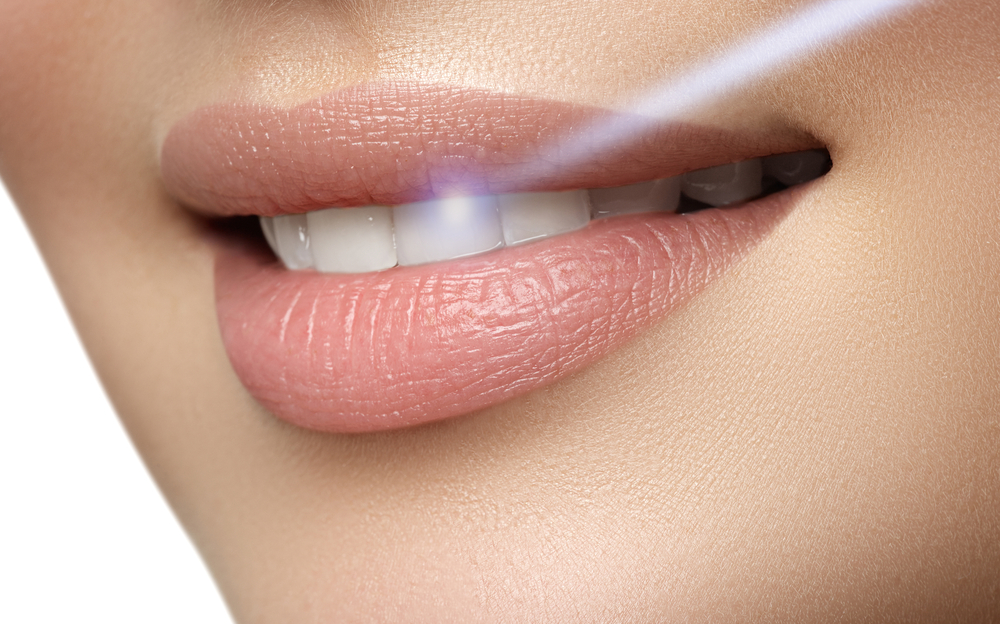
Plenty of dental offices advertise “laser dentistry” these days. Not all dental lasers are built the same, and the differences affect what a laser can treat, how comfortable the visit feels, and how fast you heal.
At Implant & General Dentistry of Long Island in Melville, NY, Dr. Dean Glasser and Dr. Renee Glasser use the Fotona LightWalker System, a dual-wavelength laser that’s built differently from the single-wavelength diode lasers found in many general dental offices. Here’s what that distinction actually means for patients in Melville, Huntington, Farmingdale, and Syosset considering laser treatment.
If you’ve been curious about laser dentistry, or you’ve had a laser procedure elsewhere and want to understand what equipment was actually used, a conversation with our team can clear that up quickly. Call (631) 423-6767 to schedule a consultation with our dentist in Melville and ask directly what the LightWalker can do for your specific situation.
What Makes a Dental Laser “Different” From Another?
Most dental lasers fall into two broad categories: diode lasers and the less common Er:YAG/Nd:YAG combination lasers. The category matters because each wavelength interacts with tissue differently.
Diode Lasers
Diode lasers are common, affordable, and useful for a narrow set of soft-tissue procedures like gum contouring or minor lesion removal. They cannot, however, cut or shape hard tissue like enamel and dentin. That limitation is the main reason many “laser dentistry” practices still rely on a traditional drill for fillings, crown prep, and most cavity work, even while marketing themselves as laser-equipped.
Fotona LightWalker’s Dual-Wavelength System
The Fotona LightWalker uses two complementary wavelengths instead of one: Er:YAG and Nd:YAG. The Er:YAG wavelength is effective on both hard and soft tissue, which means it can be used for cavity preparation, not just gum work. The Nd:YAG wavelength penetrates deeper into tissue, which makes it useful for disinfection, inflammation, and procedures like root canal treatment. Having both in a single system, a combination Fotona calls TwinLight, gives Dr. Glasser a wider range of tools than a single-wavelength diode laser allows.
Is Laser Dentistry Better Than Drilling?
 This depends entirely on the laser and the procedure. A diode-only laser genuinely cannot replace a drill for most restorative work, so a practice using one will still drill for fillings and crown preparation regardless of how the laser is marketed.
The Er:YAG wavelength in the LightWalker system is a different story. It’s been shown to ablate hard tissue efficiently enough to handle cavity preparation and decay removal without contact, vibration, or heat buildup in many cases. That doesn’t mean a drill disappears from every visit. It means the laser can genuinely replace the drill for a meaningful range of procedures, rather than being limited to soft-tissue touch-ups.
Does Laser Dentistry Hurt Less Than a Drill?
For most patients, yes, and this is one of the more consistent findings across laser dentistry generally. The vibration, pressure, and heat that make drilling uncomfortable are largely absent with laser treatment. Many Er:YAG procedures can be performed with reduced or no anesthesia, which also means less time spent numb after the appointment.
The LightWalker’s pulse technology adds another layer to this. Fotona’s QSP (Quantum Square Pulse) and VSP (Variable Square Pulse) modes are engineered to control exactly how laser energy interacts with tooth structure, reducing the heat that less refined lasers can generate. The practical result for patients is a gentler experience, particularly for procedures that would otherwise require a needle.
Is Laser Dentistry Safe for Children and Sensitive Patients?
 Generally, yes, and it’s often a better starting point for anxious or younger patients specifically because it removes the noise and vibration that tend to trigger dental fear. The reduced need for anesthesia matters here too, since needle anxiety is frequently a bigger obstacle than the procedure itself.
That said, safety still depends on training and equipment, not just the word “laser” on a website. Using the wrong wavelength or power setting for a given tissue type carries real risk, which is why laser dentistry should always be performed by a dentist trained specifically on the system they’re using. Dr. Glasser’s use of the LightWalker is paired with the same clinical judgment applied to every other procedure in the practice, not treated as an automatic upgrade for every patient or case.
What Can the Fotona LightWalker Treat That Other Lasers Can’t?
Because the LightWalker combines two wavelengths instead of one, it covers a noticeably wider range of procedures than a diode-only system:
- Cavity preparation and decay removal on hard tissue, not just soft-tissue work
- Gum disease treatment, including disinfection deep in periodontal pockets
- Root canal cleaning and disinfection
- Teeth whitening acceleration
- Soft tissue procedures like frenectomies and gum contouring
- Snoring and mild sleep apnea treatment through airway tissue tightening
A single-wavelength diode laser, by contrast, is typically limited to the soft-tissue items on that list. If a practice advertises laser dentistry but still drills every cavity, that’s usually the reason why.
How Dr. Glasser Uses the LightWalker in Everyday Treatment
The decision to invest in a dual-wavelength system rather than a more common diode laser reflects how Dr. Glasser and Dr. Renee Glasser approach new technology generally: it has to expand what’s actually possible for patients, not just serve as a marketing checkbox. The LightWalker is integrated into the same procedures it’s built for, from routine restorative work to periodontal therapy, rather than reserved for a narrow set of cosmetic add-ons.
Explore Laser Dentistry With Dr. Glasser
If you’re researching laser dentistry anywhere, not just at our practice, the most useful question to ask is simple: which wavelength does your laser use, and what procedures can it actually replace? That single question separates a practice that treats laser dentistry as a real clinical tool from one using it as a buzzword.
Patients throughout Melville, Huntington, Farmingdale, and Syosset who want laser-assisted dental treatment in Long Island that goes beyond soft-tissue procedures are welcome to schedule a consultation with Dr. Glasser’s team. Call (631) 423-6767 to ask questions, learn more about the LightWalker system, or find out whether laser treatment fits your specific dental needs.