
Endodontic care at Implant & General Dentistry of Long Island is led by Dr. Dean Glasser and Dr. Renee Glasser, who combine extensive training with a patient-centered approach. Dr. Dean Glasser, an honors graduate of the University of Maryland and Fellow of several major dental organizations, brings decades of clinical experience in treating conditions affecting the inner structures of the teeth. Dr. Renee Glasser, a Stony Brook–trained dentist and Clinical Assistant Professor, enhances the practice with advanced training in general and restorative dentistry. Together, they provide precise, reliable care for root canals, apicoectomies, and other endodontic needs.
What is Endodontics?
Endodontics is a dental specialty that focuses on conditions and treatments within the inside of the tooth and the dental pulp, such as restoring chipped or cracked teeth, root canals, and apicoectomies. In Greek, "endo" is the word for "inside" and "odont" is the word for "tooth."
What Does Endodontics Treat?
Endodontics treats problems of the dental pulp, the soft tissue within the tooth that contains blood vessels, nerves, and connective tissue, and helps create the surrounding hard tissues that make up the tooth's outer surface. The pulp stretches from the crown of the tooth to the tips of the roots and into the surrounding tissue. The dental pulp is vital to the growth and development of healthy teeth, but it is not necessarily needed once the tooth has fully matured.

When is Endodontic Treatment Needed?
Endodontic treatment is performed when the pulp becomes infected or inflamed. This may occur due to decay, repeated dental procedures, a crack or chip in the tooth, or an injury with no visible signs of damage. When the pulp is affected, it can lead to pain, the development of an abscess, and increased sensitivity, tenderness, and discoloration.
How Are Dental Pulp Issues Detected?
Problems within the dental pulp can often be identified on X-ray images. Occasionally, this damage does not show up on an X-ray despite the patient's complaints of related symptoms. In these cases, a root canal may be performed as a diagnostic procedure to identify tiny holes or cracks in the tooth that may be causing damage to the dental pulp.
Although sometimes referred to as root canal therapy, endodontics encompasses a wide range of surgical and nonsurgical procedures that help keep teeth free of disease and injury to the pulp and surrounding tissues.
Endodontic Procedures
Root Canal
A root canal is the most common endodontic procedure, and one of the most common dental procedures overall, with over 15 million performed in the US every year. A root canal can help diagnose and treat damage within the dental pulp. The pulp can become damaged from a cracked tooth or dental infection and should be removed to prevent further damage to the tooth, such as a toothache, bone loss, discoloration, and swelling.
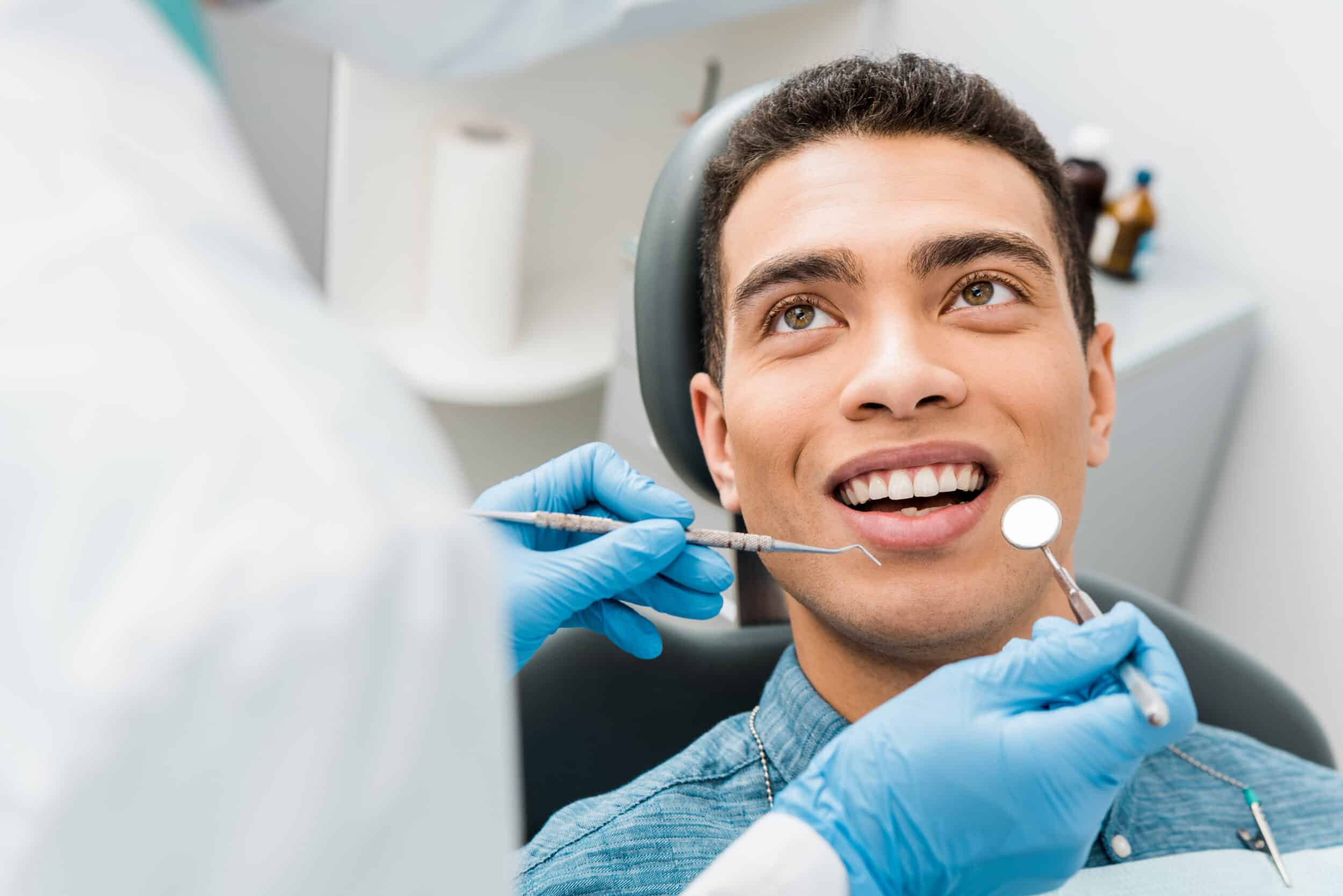
A root canal is performed by drilling a hole in the tooth. Dr. Glasser then thoroughly cleans the inside of the tooth and fills the hole to seal it and prevent dirt or bacteria from reentering. A temporary filling is also placed. This procedure is performed under a local anesthetic in Dr. Glasser's office.
Follow-up appointments are then needed to restore the tooth's appearance with a permanent filling or crown, which will help prevent further damage. The success rate for root canal procedures is reported as high as 95 percent. Although often associated with significant pain and discomfort, the root canal procedure is usually not painful.
Apicoectomy
Also known as a root-end resection, an apicoectomy is a surgical procedure that removes the damaged pulp in the bony area at the end of the tooth. This damage may have persisted after a root canal procedure due to its tricky location.
During an apicoectomy, Dr. Glasser opens the surrounding tissue, removes the infected portion of the root, and seals the opening. A small filling is placed in the root to seal the area and prevent future damage, and the area is stitched to help it heal. Over time, the bone will heal around the root end.
This procedure usually takes 30 to 90 minutes, depending on the tooth's location and the complexity of its root structure.
Endodontic Treatment Recovery
After endodontic treatment, patients may experience pain, swelling, and increased sensitivity in the treated area for the next 24 to 48 hours. Post-recovery, most patients report that their treated tooth feels the same as their natural teeth and have no problems eating, speaking, or smiling.
Why Choose Implant & General Dentistry of Long Island for Endodontics in Melville?
Implant & General Dentistry of Long Island offers endodontic care grounded in precision, comfort, and clear communication. Dr. Dean Glasser and Dr. Renee Glasser offer attentive evaluation, modern techniques, and a calm treatment environment that helps reduce anxiety around procedures like root canals and apicoectomies.
Every appointment is guided by transparency, from discussing findings to outlining next steps, so patients always understand their options. With an emphasis on long-term oral health and supportive chairside care, the team provides dependable treatment for even the most complex pulp-related concerns.
What Our Patients Have to Say
"Dr Glasser is very professional and knowledgeable he has performed root canals implants etc. this is the best office I have ever gone to. Going to Dr Glasser since 1991"
FAQs
Pulp damage does not always start with noticeable discomfort. Subtle signs can include:
- Lingering sensitivity to hot or cold
- Slight discoloration of the tooth
- A feeling of pressure when chewing
- A faint change in how the tooth responds to temperature or sweets
- Swelling in the nearby gum
- A small, pimple-like bump on the gum
These symptoms can be easy to overlook, so regular exams and X-rays are essential. They help your dentist identify pulp problems early and prevent them from progressing into infection or more severe inflammation.
When infected pulp is not promptly addressed, the bacteria within the tooth continue to spread, leading to significant inflammation and the formation of an abscess. Pressure may build at the root, causing swelling, increased sensitivity, and eventually severe pain. Over time, the infection can damage the surrounding bone and compromise nearby teeth.
In advanced cases, bacteria may spread beyond the mouth and contribute to systemic health issues like heart disease. Untreated pulp infections almost always result in tooth loss, making timely evaluation and treatment essential for preserving both oral health and overall wellness.
Yes. A tooth that has already undergone a root canal may occasionally require retreatment. This can occur if the original canals were unusually complex, if bacteria remained in hidden areas, or if new decay or damage allowed contamination to reenter the tooth. A cracked restoration or an aging crown can also create opportunities for reinfection.
Retreatment involves reopening the tooth, removing the previous filling material, thoroughly disinfecting the canals, and sealing them again. With proper restoration afterward, a retreated tooth can continue to function normally and remain healthy for many years.
Endodontic treatment is generally considered safe during pregnancy when performed with appropriate precautions. Local anesthetics commonly used in dentistry are safe for both the patient and the baby, and modern imaging uses minimal radiation. Treating infections promptly is especially important, as dental infections can pose greater risks than the procedure itself.
Many practitioners prefer scheduling non-urgent care during the second trimester for comfort, but urgent issues such as pulp infections can be addressed at any stage. Communication with both the patient's obstetric provider and dentist helps support a safe, coordinated care plan.
Schedule an Endodontics Consultation Today
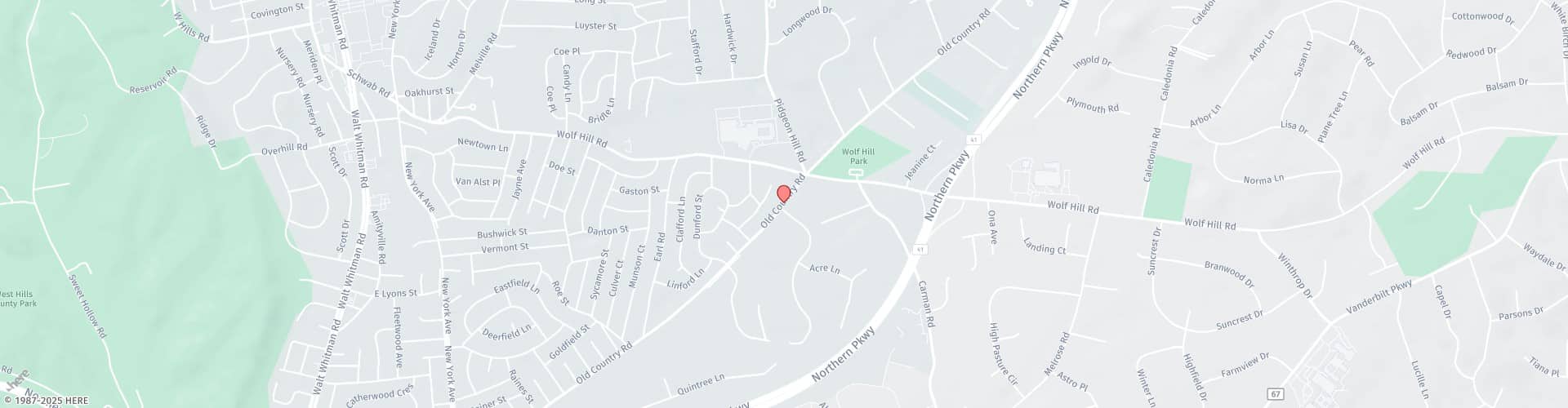
If you suspect you might need a root canal, apicoectomy, or another endodontic treatment, call Implant & General Dentistry of Long Island at 631-423-6767 to schedule an appointment. We are proud to serve Melville and the surrounding areas of Nassau and Suffolk counties on Long Island, NY.